Builders’ Risk Explained: Protecting Projects While They’re Under Construction
Construction projects don’t exist all at once—they take shape over time. From the first delivery of materials to the final walkthrough, a project passes through many stages, each with its own set of risks. During this work-in-progress phase, builders carry a unique responsibility: protecting structures, materials, and equipment before the project is complete.
Builders’ Risk planning is about understanding how exposure changes throughout a build and preparing for the unexpected. When builders think ahead about protection from start to finish, projects move forward with greater confidence and fewer disruptions.
Why Work-in-Progress Risk Is Different
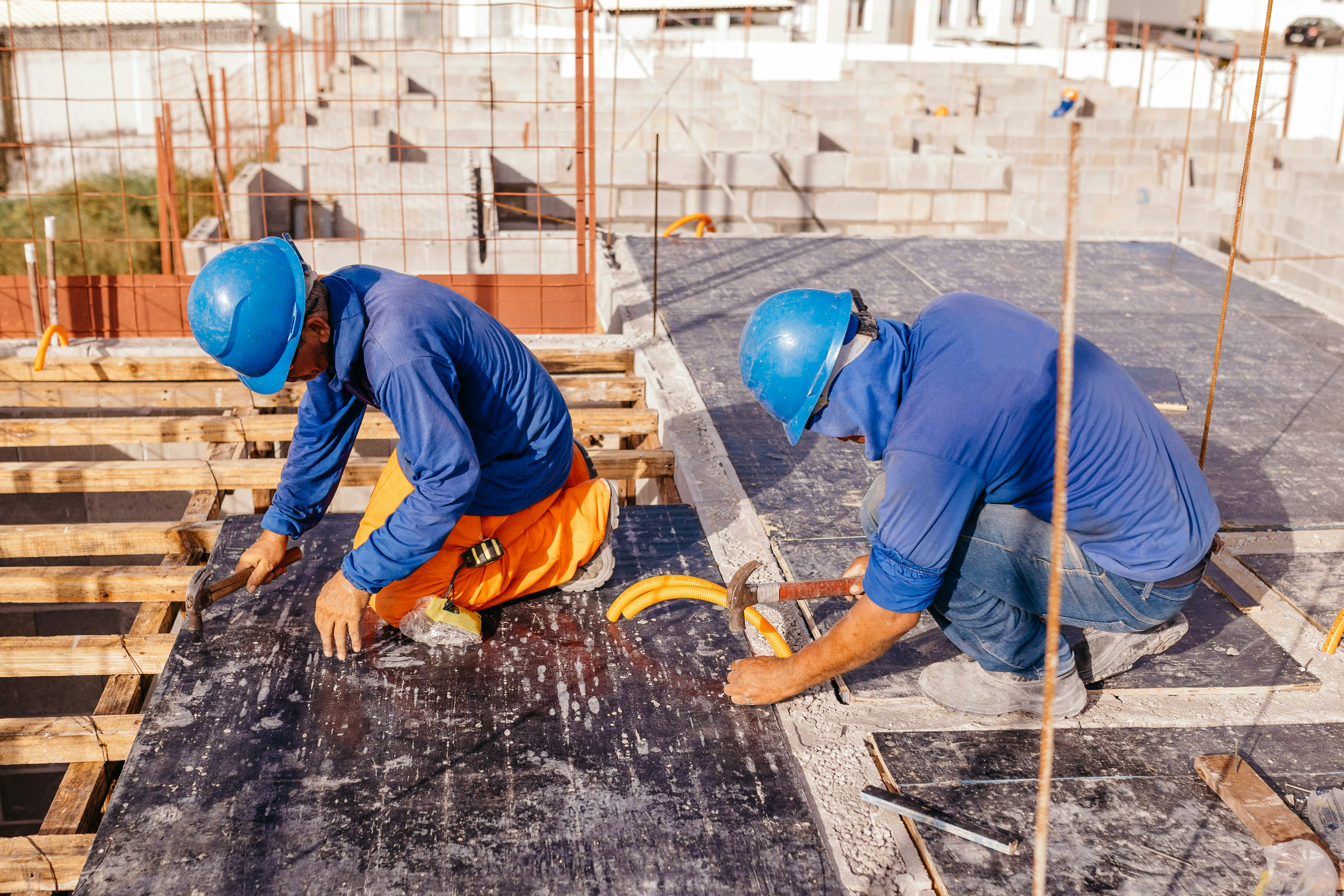
A building under construction is not yet finished, occupied, or fully secured. Materials may be stored on site or nearby. Structures may be partially enclosed. Crews, equipment, and deliveries come and go daily.
These conditions make projects more vulnerable to:
Weather exposure
Theft or vandalism
Accidental damage during construction
Losses that delay progress or increase costs
Because the project is still evolving, protection during this phase needs to reflect how construction actually happens—not how a finished building functions.
Materials and Equipment: Protecting What’s in Transition
Materials are often delivered well before they’re installed. Lumber, fixtures, electrical components, and mechanical systems may sit on-site or in temporary storage while work continues.
Common challenges include:
Theft of high-value materials
Damage during loading, unloading, or staging
Losses caused by improper storage or exposure
Planning ahead for how materials are secured, stored, and tracked helps reduce disruption and keeps schedules intact.
Weather Events: Managing the Uncontrollable
Weather is one of the most unpredictable risks during construction. Wind, rain, heat, cold, and storms can all affect partially completed structures.
Weather-related concerns often involve:
Water damage before buildings are fully enclosed
Structural damage during storms
Delays caused by cleanup or repairs
Damage to materials awaiting installation
While weather can’t be controlled, understanding how exposure changes at each phase of construction helps builders prepare and respond more effectively.
Theft and Vandalism: Open Sites Create Opportunity
Active jobsites are, by nature, accessible. Even with fencing and security measures, theft and vandalism remain common challenges during construction.
Risk increases when:
Sites are left unattended overnight
High-value materials are visible
Temporary security measures are inconsistent
Projects extend over longer timelines
Clear procedures for site security, lighting, access control, and material storage help reduce opportunity and limit losses.
Partially Completed Structures: Risk Changes Over Time
As a project progresses, the nature of risk shifts. Early phases may involve open foundations and framing, while later stages include installed systems, finishes, and fixtures.
Losses can occur when:
Accidental damage happens during ongoing work
One trade impacts another’s completed work
Fire or equipment incidents affect unfinished areas
Repairs are needed before the project can move forward
Understanding how exposure evolves allows builders to think holistically about protection across all phases of the build.
Delays and Cost Impact: When Losses Affect More Than Property
When damage occurs during construction, the impact is rarely limited to repairs alone. Delays can affect schedules, contracts, financing, and relationships with owners and partners.
Potential ripple effects include:
Extended project timelines
Increased labor and material costs
Scheduling conflicts with other trades
Pressure on future projects and resources
Planning for work-in-progress risk helps builders manage not just physical loss, but the broader impact on operations.
Why Clear Planning Matters Throughout the Project Lifecycle
Builders’ Risk planning works best when it’s considered early and revisited as projects evolve. Clear communication between owners, contractors, and project partners helps ensure expectations are aligned and responsibilities are understood.
Strong planning supports:
Smoother transitions between project phases
Better coordination across teams
Fewer surprises when issues arise
Greater confidence throughout the build
The goal isn’t perfection—it’s preparedness.
Protecting Projects from Start to Finish
Every construction project tells a story—from first plans to final completion. Builders who take time to understand work-in-progress risk are better positioned to protect that story as it unfolds.
NBA Insurance Solutions supports Nevada builders by helping them understand construction-specific exposure and plan protection that reflects real jobsite conditions, evolving risk, and the realities of building from the ground up.
FAQs About Builders’ Risk and Work-in-Progress Protection
Is Builders’ Risk only needed for large projects?
No. Projects of all sizes can face exposure while under construction.
Does risk stay the same throughout a project?
No. Exposure changes as work progresses, materials are installed, and structures take shape.
Are materials covered only once they’re installed?
Materials can be vulnerable before installation, which is why planning for storage and staging matters.
Can weather really cause significant losses during construction?
Yes. Weather-related damage is one of the most common causes of work-in-progress disruption.
When should Builders’ Risk planning begin?
Ideally before construction starts, with ongoing review as the project evolves.
If you’d like help reviewing work-in-progress considerations or understanding how protection aligns with your projects, NBA Insurance Solutions offers guidance rooted in construction experience and practical planning. Contact us to get started.