Commercial Auto Risk in Construction: Vehicles, Crews, and Daily Exposure
Vehicles are a constant part of construction work. Trucks move crews between jobsites. Vans transport tools and materials. Supervisors travel daily to manage projects. Unlike many industries, construction relies on vehicles as working tools—not just transportation.
Because of this, vehicle-related exposure in construction looks different. Understanding how daily driving, jobsite movement, and equipment transport affect risk helps builders plan more effectively and avoid costly disruptions.
Why Construction Vehicle Risk Is Unique
Construction vehicles are rarely used for a single purpose. A work truck might carry tools one day, haul materials the next, and transport multiple crew members in between. Vehicles may operate in tight spaces, on uneven terrain, or in high-traffic areas around active jobsites.
These conditions increase exposure by combining:
Frequent driving
Changing drivers
Heavy loads
Active work environments
Recognizing these factors helps builders understand why construction-related vehicle risk deserves special attention.
Driving Between Job sites: A Daily Reality
Many construction businesses operate across multiple locations in a single day. Crews move between job sites, suppliers, offices, and inspections—often under tight schedules.
Common challenges include:
Increased mileage and time on the road
Pressure to meet deadlines
Driving unfamiliar routes
Navigating congested or active construction areas
The more frequently vehicles are used for work, the greater the opportunity for incidents. Planning around these realities helps reduce disruption and supports safer operations.
Transporting Tools, Equipment, and Materials
Construction vehicles often carry more than people. Tools, ladders, power equipment, and materials are routinely loaded and unloaded throughout the day.
Risk can increase when:
Equipment is not secured properly
Loads shift during transport
Vehicles are overloaded
Materials obstruct visibility or movement
Clear procedures for loading, securing, and transporting equipment help protect crews, vehicles, and others on the road.
Multiple Drivers, Shared Responsibility
Construction vehicles are frequently shared among crew members. Different drivers may operate the same truck on different days—or even the same day.
This creates exposure related to:
Varying driving habits
Inconsistent training or expectations
Fatigue after long workdays
Limited familiarity with specific vehicles
Consistency matters. When expectations are clear and responsibilities are understood, shared vehicle use becomes safer and more predictable.
Job site Movement and Tight Spaces
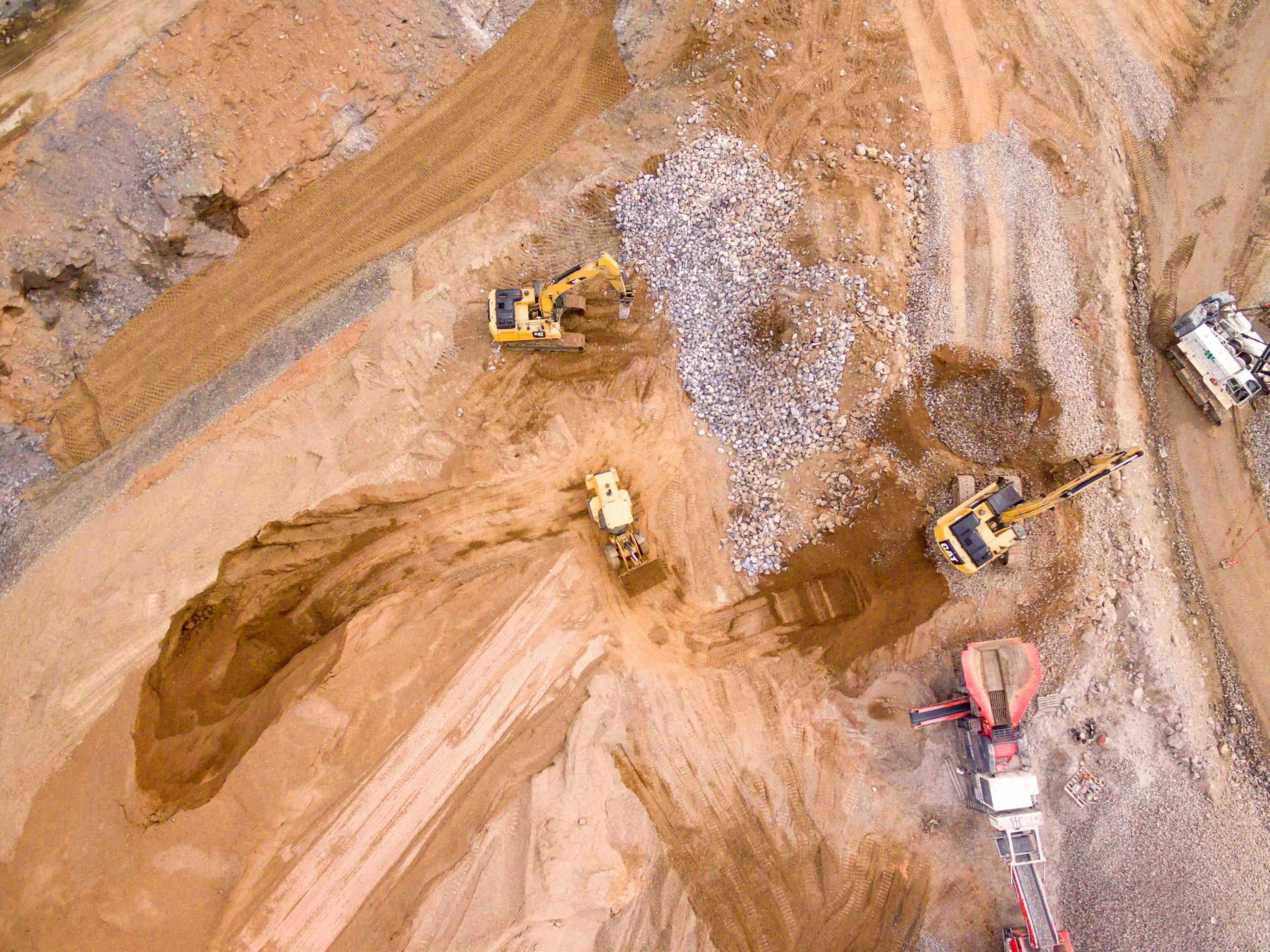
Risk doesn’t stop once a vehicle arrives at the jobsite. Many incidents occur while vehicles are maneuvering in active work areas.
Examples include:
Backing incidents
Striking equipment or structures
Accidents involving pedestrians or workers
Damage in confined or temporary access areas
Thoughtful site planning, clear traffic flow, and communication between crews help reduce these types of incidents.
Personal vs. Business Use: Where Confusion Can Arise
In construction, personal and business vehicle use can sometimes blur. Company trucks may be taken home. Personal vehicles may occasionally be used for work tasks.
This overlap can create confusion about responsibility and exposure if expectations aren’t clearly defined. Builders benefit from understanding how vehicle use aligns with business operations and making sure everyone knows when a vehicle is being used for work-related purposes.
The Cost of Vehicle-Related Disruptions
When a vehicle incident occurs, the impact often extends beyond repairs. Delays, missed deadlines, equipment loss, and crew downtime can quickly affect productivity.
Potential ripple effects include:
Interrupted project schedules
Lost workdays
Delayed material deliveries
Increased administrative burden
Recognizing vehicle risk as an operational issue—not just a transportation issue—helps builders plan more effectively.
Building Safer Vehicle Practices into Daily Operations
Commercial auto risk management works best when it’s integrated into everyday routines. Simple, consistent practices help reduce exposure and support safer driving habits across teams.
Effective practices often include:
Clear expectations for vehicle use
Regular communication about safety
Awareness of job site traffic flow
Accountability for shared vehicles
These steps help protect crews, projects, and the communities where construction work takes place.
Supporting Construction Businesses on the Road
Vehicles are essential to construction work—and so is understanding the risk that comes with them. Builders who recognize how daily vehicle use affects exposure are better equipped to plan ahead and respond confidently when issues arise.
NBA Insurance Solutions supports Nevada builders by helping them understand construction-specific vehicle risk and approach protection in a way that reflects how crews actually work, travel, and operate each day.
FAQs About Commercial Auto Risk in Construction
Is vehicle risk higher in construction than other industries?
Often, yes. Construction vehicles are used more frequently and in more varied environments.
Do short trips between job sites still matter?
Yes. Even short, routine trips create exposure when they happen often.
Is shared vehicle use common in construction?
Very. Multiple drivers using the same vehicles is typical in construction operations.
Does vehicle risk only involve accidents on the road?
No. Many incidents occur while vehicles are moving or parked on jobsites.
When should builders review vehicle-related risk?
Any time operations change—new projects, new crews, or new vehicles—it’s worth reviewing.
If you’d like help reviewing vehicle-related exposure or understanding how construction vehicle use aligns with your operations, NBA Insurance Solutions offers guidance grounded in real-world construction experience. Contact us to get started.