Understanding Liability Exposure in Construction: What Builders Are Most Often Held Responsible For
Construction projects bring progress to communities—but they also bring activity, equipment, materials, and people into close proximity. Builders manage many moving parts at once, often across active job sites and multiple teams. With that activity comes responsibility, especially when third parties are involved.
Liability exposure is not about fault or blame—it’s about understanding how risk shows up in real-world construction environments and planning accordingly. When builders understand where responsibility most often arises, they’re better equipped to protect their business, their reputation, and the people around their projects.
Why Liability Risk Looks Different in Construction
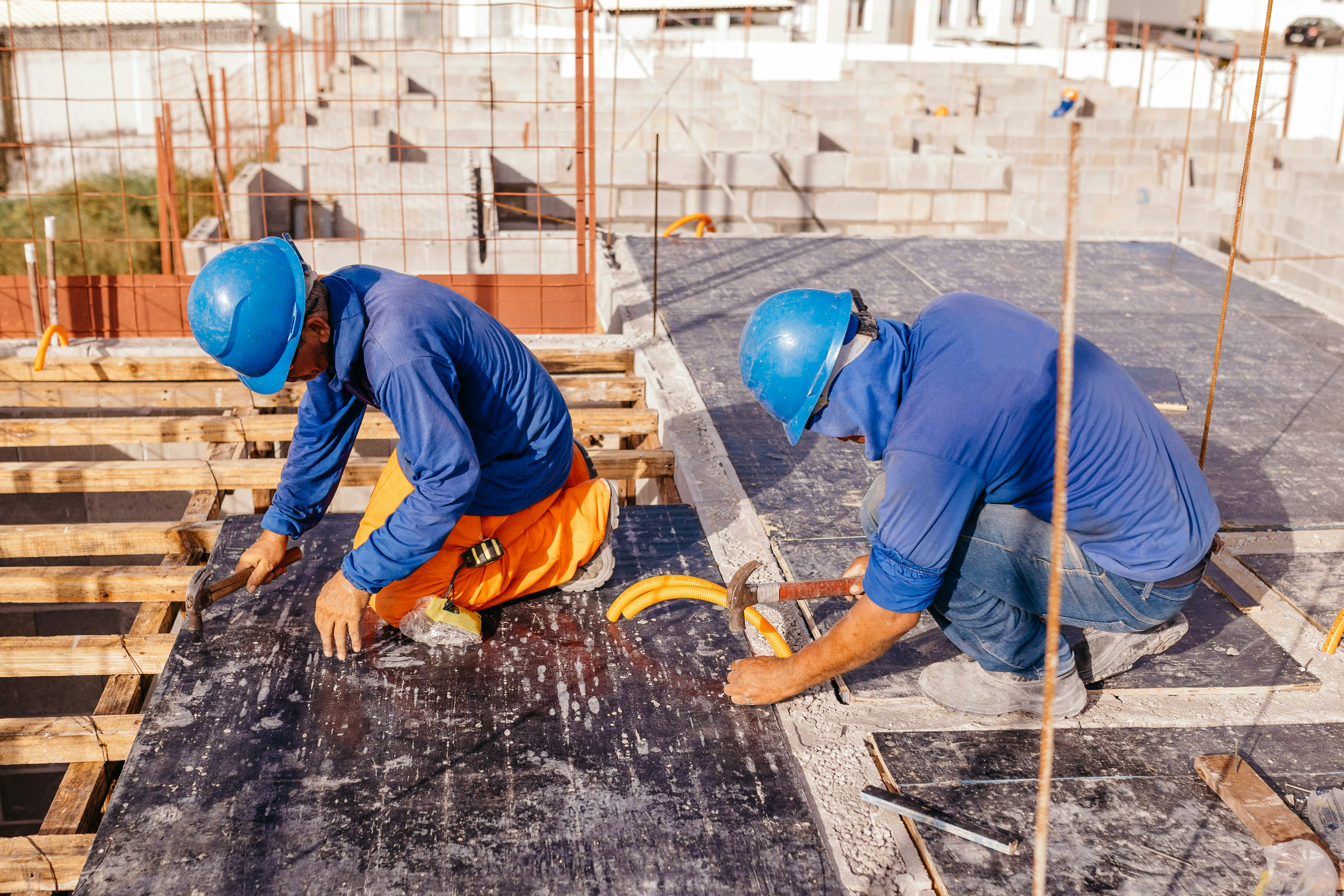
Construction sites are dynamic. Conditions change daily. Crews rotate. Materials arrive and leave. Visitors, inspectors, and clients may be present. Unlike many other industries, construction work happens in open, physical environments where third parties can be affected even when work is performed carefully.
Because of this, liability exposure often stems from interaction—between people, property, and ongoing work. Understanding those interaction points helps builders anticipate risk instead of reacting to it.
Property Damage: When Work Affects Surrounding Spaces
One of the most common sources of liability exposure in construction involves damage to property that isn’t part of the work itself.
This may include:
Accidental damage to neighboring buildings
Utility line disruptions
Damage to existing structures during renovation
Issues caused by equipment movement or material handling
Even when damage is unintentional, builders are often looked to first because they control the work environment. Clear planning, communication, and awareness of surroundings help reduce surprises and support smoother project execution.
Visitor and Third-Party Injuries on the Job site
Construction sites aren’t only occupied by workers. Inspectors, clients, vendors, delivery drivers, and other visitors may be present at various times. When someone who isn’t part of the crew is injured on or near a job site, liability questions often follow.
Common scenarios include:
Slips or falls in active work areas
Injuries caused by debris or uneven surfaces
Incidents involving temporary walkways or access points
Accidents during deliveries or inspections
Establishing clear boundaries, signage, supervision practices, and site awareness helps create safer environments for everyone who enters the job site.
Subcontractor Exposure: Shared Work, Shared Risk
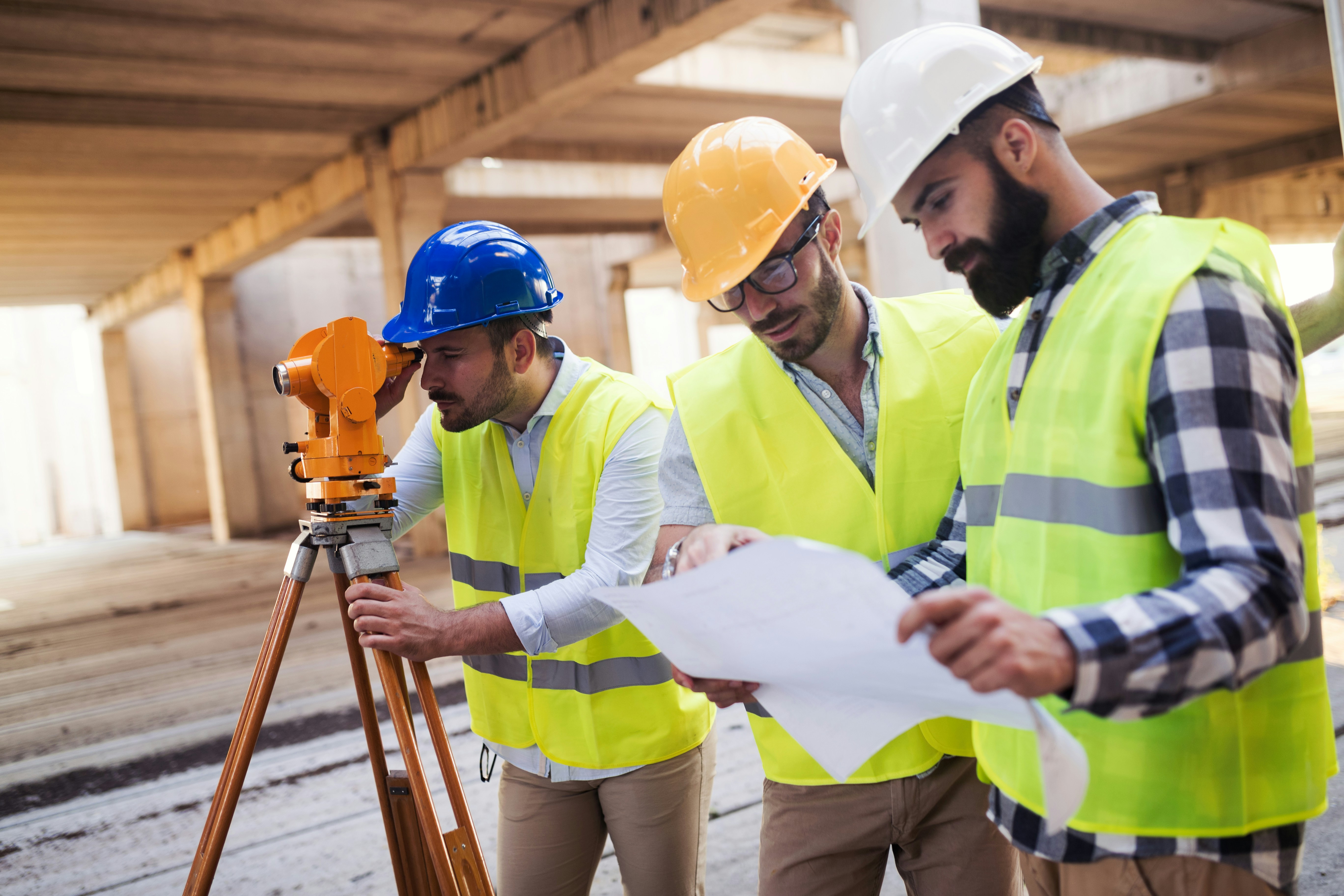
Modern construction relies heavily on subcontractors. While each subcontractor is responsible for their own work, the general contractor or project lead is often viewed as responsible for the overall site environment.
This can include:
Injuries involving subcontractor employees
Property damage caused by subcontracted work
Claims arising from coordination issues between trades
Clear expectations, communication, and alignment across all parties help reduce confusion and support accountability. Builders benefit when everyone on site understands roles, responsibilities, and procedures.
Completed Operations: When Issues Arise After the Job Is Done
Liability doesn’t always end when a project wraps up. Sometimes concerns surface after work is completed—once a space is occupied or used as intended.
Examples include:
Property damage linked to completed work
Injuries connected to installed materials or structures
Concerns raised after clients or tenants move in
These situations highlight the importance of thoughtful planning, quality control, and documentation throughout a project’s lifecycle. Builders who take a long-term view of their work help protect both their reputation and future opportunities.
Why Clear Procedures Matter More Than Perfection
Construction work is complex, and no jobsite is without risk. What matters most is not eliminating every possible issue, but having clear procedures that guide how work is performed, how people move through a site, and how incidents are addressed if they occur.
Clear procedures help:
Reduce confusion during active work
Support safer interactions with third parties
Create consistency across job sites
Provide clarity when questions arise
When everyone knows what’s expected, environments become more predictable—and safer.
Building Confidence Through Understanding
Liability exposure is a normal part of construction, not a sign of failure. Builders who understand where responsibility most often arises are better positioned to plan thoughtfully, communicate clearly, and lead confidently.
NBA Insurance Solutions supports Nevada builders by helping them understand construction-specific risk and approach coverage and risk planning in practical, real-world ways—so they can focus on delivering quality work and strong projects.
FAQs About Liability Exposure in Construction
Are builders always responsible when something goes wrong on a job site?
Not always, but builders are often the first point of review because they oversee the work environment.
Does liability only apply while a project is active?
No. Some concerns arise after work is completed, which is why long-term planning matters.
Do subcontractors reduce liability exposure?
Subcontractors play an important role, but coordination and oversight remain critical for managing overall risk.
Are visitors considered part of job site risk?
Yes. Anyone entering a job site—clients, inspectors, vendors—can introduce third-party exposure.
How often should builders review liability considerations?
Regular reviews, especially when starting new projects or changing scope, help keep risk aligned with operations.
If you’d like help reviewing liability considerations or understanding how coverage aligns with your construction operations, NBA Insurance Solutions offers guidance grounded in real job site experience and industry understanding. Contact us to get started.